

Overcoming imposter syndrome at work: why high achievers often feel like frauds
If imposter syndrome is nagging you at work, you're not alone. You'll learn why it hits high achievers and how it shows up day to day. After reading my blog post, you'll walk away with a few practical ways to rebuild trust in your own ability ... Imposter syndrome at work, Doubts plague my mind, I feel small, But I will rise high You can be doing well on paper and still feel like you're one meeting away from being found out. That's the core of imposter syndrome: the gap between your external results and your internal sense of legitimacy. It often shows up right after success, not failure, because success raises the stakes and your mind starts scanning for the risk of losing it. I see it most in conscientious, high-performing people because they're used to analysing what could be better!That ability is valuable, but when it turns inward, it can become self-doubt at work disguised as 'being realistic'. You may discount praise, over-credit luck, or set the bar so high that meeting it never counts. The more you achieve, the higher you raise your own bar, and the more you feel like an imposter. In practice, imposter syndrome at work is less about capability and more about attribution. If you automatically attribute wins to timing, other people's help, or low standards, you never bank the success as evidence. Over time, you build a CV full of achievements and a nervous system that still expects rejection. That's why workplace confidence can feel oddly disconnected from your actual track record. You might notice it when you procrastinate on visible work, avoid speaking up until you're '100% sure', or over-prepare for routine conversations. You might say yes too quickly, then privately panic that you can't deliver.You might also play small during interviews or promotion chats, because describing your impact feels like bragging rather than accuracy. These are not character flaws; they're strategies your brain uses to reduce perceived risk. There's also a quiet cost!When you're trying to outrun the fear of exposure, you burn energy proving yourself rather than building. That pressure can tip into professional burnout, especially if you're carrying responsibilities at home as well. When every task feels like a test of worth, rest starts to feel undeserved, and that's a fast route to exhaustion. The way out starts with treating your confidence like a system you can tune, not a mood you have to wait for.In those moments where you feel like an imposter, you need two things: clearer evidence and cleaner thinking. Evidence means tracking outcomes and behaviours you control, not just praise. Cleaner thinking means noticing the mental shortcut that says, “If it wasn't perfect, it didn't count.” You can help yourself by getting specific about what 'good' looks like before you start. If you define success criteria up front, you stop moving the goalposts afterwards. You can also practise giving a factual account of your work: what you did, why you did it, and what changed as a result. This isn't arrogance; it's professional accuracy, and it supports career development because it makes your value easy to understand and easy to advocate for.It also helps to reframe the feeling itself. Imposter syndrome often spikes when you're learning, stretching, or stepping into a new identity, such as manager, specialist, or leader. The discomfort can be a sign you're expanding your competence, not evidence you're fraudulent. The goal isn't to stop feeling doubt; it's to stop treating doubt as a verdict. Finally, bring your inner standards back into alignment | ||||||||||||||||||||||||||||||||||||||||||||||||||||||||||||||||||||||||||||||||||||||



Would you like to know more? |
If anything in my blog post resonates with you and you'd like some further help and advice with your career, then why not get in touch today? Call me on 07941 690391, visit my website at davecordle.co.uk to see ways I can help and support you, or connect with me on LinkedIn and let's start a conversation. |
Share the blog love ... | |||||||||||||||||||||||
#impostersyndromeatwork #WorkplaceConfidence #CareerDevelopment #SelfDoubt #LeadershipMindset #ProfessionalGrowth |


About Dave Cordle ... | ||
|
More blog posts for you to enjoy ... | ||
 | Physical symptoms of work stress: Is your body trying to tell you something? The physical symptoms of work stress can sometimes be easier to dismiss than the emotional ones. You might put a headache down to a long day, blame aching shoulders on your desk chair or assume tired, uncomfortable eyes are s... | |
 | Building professional relationships: How to create connections that last Building professional relationships can make a huge difference throughout your career. The people you meet along the way can become colleagues, mentors, clients, collaborators, or even future employers. The strongest relation... | |
 | How to build a professional network that helps you grow Your professional network can be one of the most valuable resources you have throughout your career, but building one isn't simply about collecting LinkedIn connections or handing out business cards to those you meet ...... | |
 | Why focusing on your career strengths can be smarter than fixing your weaknesses When you think about developing your career, where does your attention go first? For many people, it's their weaknesses. We identify the things we're not particularly good at and immediately start thinking about courses, trai... | |
 | Green careers in the UK: Opportunities beyond renewable energy When people think about green careers, they often picture wind turbines, solar farms or electric vehicles. While these industries are creating thousands of jobs, green careers now extend into almost every sector of the econom... | |
 | 6 career investments that deliver the biggest long term return When people think about investing, they usually picture savings accounts, pensions or the stock market. Yet one of the best investments you can make is in your own career ...... | |
 | How to stay positive when looking for a new job Staying sane during a job search can be just as important as updating your CV or preparing for interviews. If you want to stay positive when looking for a new job, it's worth remembering that finding the right opportunity is ... | |
 | How to deliver a great presentation at an interview Before you step into an interview, it's worth remembering that if you've been asked to deliver a presentation, you've already achieved something important. The employer believes you have the potential to do the job and now wa... | |
Other bloggers you may like ... | ||
 | Moving to Milton Keynes: how Short Stay : MK makes relocation simple Posted by Emily Freeman on https://blog.shortstay-mk.co.uk Moving to Milton Keynes can feel like a lot, especially while you're job-starting and house-hunting at the same time. Short Stay : MK gives you a prac ... | |
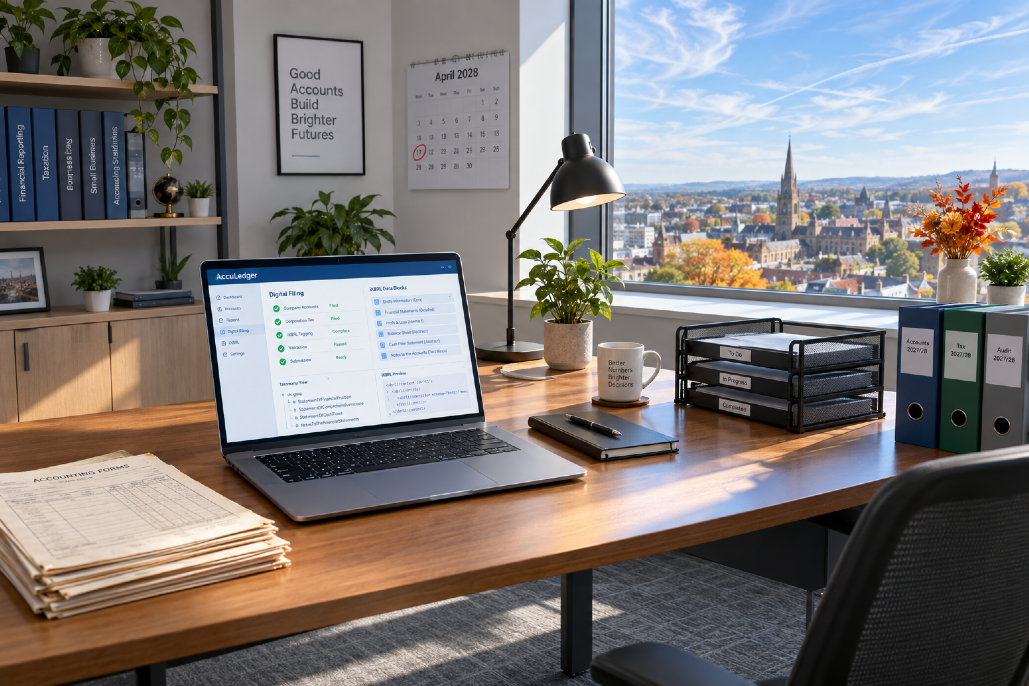 | Companies House accounts filing changes: Why 2028 is closer than you think Posted by Roger Eddowes on https://blog.essendonaccounts.co.uk The Companies House accounts filing changes coming into force from April 2028 may sound comfortably distant, but I think businesses would be wise to s ... | |
 | Because someone should notice if you don't check in Posted by Steffi Lewis on https://www.yourping.uk The phrase "Because someone should notice if you don't check in” is far more than just a tagline. It is the core belief behind everything we do. Our d ... | |
 | Lessons I've learned from investment property viewings Posted by Sarah Hannaford on https://blog.sarahpasolutions.co.uk As I keep building my knowledge and experience in property investment, I'm learning that there's a big difference between looking around a house as a ... | |